
When it comes to commercial leases, most businesses are familiar with the terms and conditions they signed up for at the start. But when it’s time to move on if you’re growing, downsizing, relocating or even moving your resources elsewhere, the process of ending a lease can feel daunting. One of the often-forgotten and sometimes misunderstood expense is the dilapidation charge.
Don’t despair though. We’d got your covered with our latest information about dilapidation charges and the likely obligations at the end of your tenancy. We’ll explain how to manage dilapidation charges effectively and what you can do with your surplus office furniture and other assets when your lease ends.
What are dilapidation charges?
In simple terms, dilapidation charges are the costs a tenant is expected to pay to return a leased property to its original condition, as specified in the lease agreement. This could include anything from repairing damage, removing alterations or redecorating, all at the tenant’s expense.
A schedule of dilapidations is typically prepared by the landlord’s surveyor towards the end of the lease, detailing the required works and associated costs.
The tenant’s obligation
Most commercial leases include a ‘repairing obligation’ clause, which states that tenants must keep the premises in a certain condition and return it that way when the lease ends.
Depending on your lease, this might mean:
- Repairing wear and tear
- Removing any alterations or additions you’ve made
- Reinstating original fixtures or layouts
- Redecorating to a specified standard
- Cleaning the premises thoroughly
- Ensuring mechanical and electrical systems are fully operational
Dilapidation case study
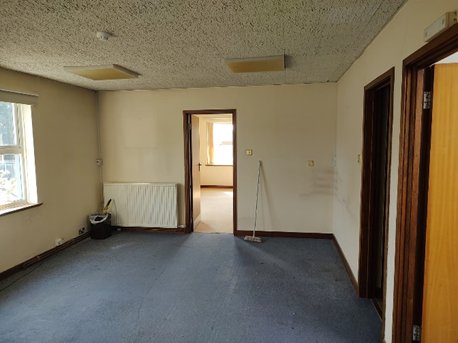
Recently, we were asked by a landlord to bring an office to an agreed standard following a dilapidations survey. The tenants, still in situ, were downsizing and the whole floor needed to be separated into two different areas; one for the existing tenant and the other for prospective tenants.
As the original office has not been modernised since the 80s, the dilapidation costs included new carpets, redecorating the space to a specified standard, repairing wear and tear, updating the electrical sockets, lighting, blinds and cleaning the premises. The landlord also decided to make the premises more attractive by investing in the installation of air conditioning units, recognising the demand for workplaces that include temperature control systems.
Before
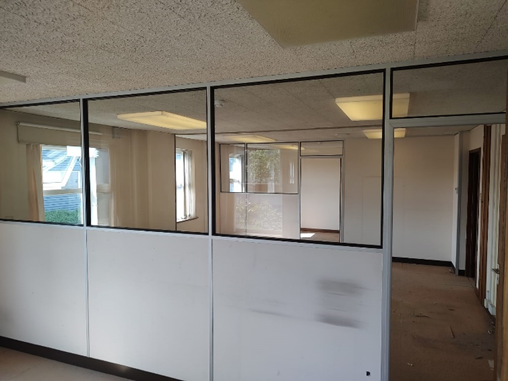
After

It’s essential to review your lease well before the end date to understand exactly what’s expected so you can plan for any surprises and costs you may face. Of course, you could employ a facilities management company to work with you and alleviate some of the headache that comes with the coordination of builders, decorators, removals and other contractors.
How to prevent hefty dilapidation charges
The good news is, with the right approach, you can reduce or even avoid large dilapidation costs. Here’s how:
| Regular maintenance | Staying on top of the maintenance and repairs throughout your tenancy, even with small fixes will prevent expensive issues later. |
| Schedule a pre-lease-end inspection | We’d recommend arranging a dilapidations survey or condition report 6 to12 months before your lease expires. This gives you time to address issues yourself as these can be more cost-effective than leaving it to the landlord. |
| Negotiate terms in advance | Ensure that your repairing obligations are negotiated at the start of the lease and limit reinstatement clauses where possible. |
| Keep records | Maintain records of works done, maintenance logs and photographs throughout your tenancy to support your case during end-of-lease negotiations. |
What to do with surplus resources?
As you vacate your premises, it’s likely you’ll be left with surplus office furniture, IT equipment or fittings. Rather than discarding these or facing additional removal charges, consider:
- Selling any unwanted items through resale platforms or specialist office clearance services.
- Donating usable furniture and equipment to charities and community groups. Sussex Facilities Management works with charities such as Hope and Aid Direct, a humanitarian organisation interested in stackable furniture, consumables, IT equipment as well as carpet titles which serve as flooring in shelters. This means that you can reduce your removal cost by involving a charity that will collect the unwanted furniture at no cost to your business whilst keeping to your recycling and sustainability values too.
- Storing valuable resources if they’ll be needed in your new or future location.
- Recycling all unwanted materials responsibly, reducing waste and your environmental impact.
At Sussex Facilities Management, we can support you with regular maintenance as well as other services to ensure your transition from your existing premises is as smooth as possible whilst maximising value from any surplus resources you may have.
Rest assured, dilapidation charges are a standard part of commercial leasing, but with foresight, regular maintenance and smart end-of-lease planning, they don’t have to be as much of a financial burden.
If you’re approaching the end of your lease and need advice on dilapidations, workspace clearance or surplus asset management, our experienced team is here to help.
Get in touch with Sussex Facilities Management today:
📞 01444 812 171
📧 admin@sussexfacilities.co.uk